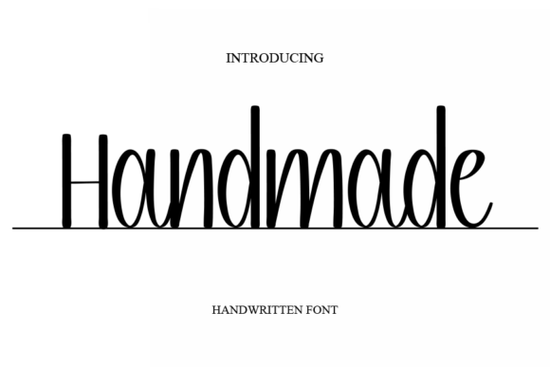
If you are looking for a typeface that feels personal and warm, a handwritten style is often the best choice. The Handmade Font is designed to bring that human touch to your projects. Whether you are designing invitations, creating social media graphics, or working on a print-on-demand product, this font offers a casual vibe that connects well with audiences. It avoids the stiff look of standard system fonts, giving your work a unique character without sacrificing readability.
Many designers struggle to find a script that looks authentic rather than overly decorative. This specific typeface balances fun and friendliness, making it versatile enough for various occasions. You do not need to be a typography expert to use it effectively. The letters flow naturally, mimicking real pen strokes, which helps in creating designs that feel approachable and genuine.
What projects work best with handwritten styles?
Choosing the right font depends heavily on what you are creating. Handwritten scripts shine in contexts where emotion and personality matter. For example, if you are making greeting cards for holidays or birthdays, this style adds a personal note that block letters cannot match. It is also excellent for craft projects like vinyl decals or scrapbooking layouts where a DIY aesthetic is desired.
Digital designers often use these fonts for logos or branding elements that need to feel boutique or artisanal. If you run a small business selling homemade goods, using a script like this on your packaging can reinforce the handmade quality of your products. Presentations also benefit from this style when you want to highlight key points without sounding too corporate. You can browse more options in the handmade font script fonts category to see similar styles that might fit your specific niche.
When working on print-on-demand items, such as t-shirts or mugs, legibility is key. While some scripts are too curly to read from a distance, this font maintains clear letterforms. This ensures your message gets across even when printed on textured materials or viewed on small mobile screens.
How do you pair script fonts with other typefaces?
Using a script font alone can sometimes look incomplete. Pairing it with a complementary font creates balance and hierarchy in your design. A good rule of thumb is to combine a handwritten style with a clean sans-serif or a simple serif font. This contrast helps the script stand out as the accent while the secondary font handles the bulk of the text.
If you want a playful combination, you might look at other bouncy scripts. For instance, pairing this with something like the Victory Swing font could work for high-energy projects, though you should avoid using two scripts together in the same paragraph. For a rustic or homey feel, consider mixing it with a font that has a country vibe, similar to what you find in the Country Kitchen font collection. This works well for bakery labels or farmhouse decor designs.
For more elegant projects, such as wedding invitations, you might want a script with finer lines. Options like the Ashley Southine font offer a more refined look that pairs nicely with this friendlier style for subheadings. If you need something bold for headers, a display font like the Front Picture font can provide the weight needed to ground the design. The goal is to ensure the fonts do not compete for attention but rather support each other.
Is this suitable for commercial projects?
One of the most common questions for creators is about licensing. Most fonts available on creative marketplaces come with licenses that allow for commercial use, but it is always important to check the specific terms. For print-on-demand sellers, this means you can typically use the font on products you sell, such as shirts, posters, or digital planners.
However, you usually cannot redistribute the font file itself. You must embed it within your design rather than selling the typography as a standalone product. This protects the original creator while allowing you to build your business. If you plan to use this for a logo, ensure the license permits trademark usage, as some standard licenses have restrictions on logo creation. Always read the included text file or the product page details before starting a large commercial run.
How do you install and use the files?
After downloading the font, you will typically receive a ZIP file containing the font formats, such as OTF or TTF. To install it on Windows, you can right-click the file and select "Install." On a Mac, you can double-click the file to open Font Book and click "Install Font." Once installed, the font will appear in your design software like Photoshop, Canva, or Illustrator.
It is helpful to restart your design program after installation if the font does not show up immediately. For web use, you may need to convert the font to a web-friendly format like WOFF, depending on your hosting platform. Always keep a backup of the original download folder in case you need to reinstall it on a new computer later.
Quick Checklist for Using Script Fonts
- Check Legibility: Ensure the text is readable at the size you intend to print or display.
- Verify Licensing: Confirm commercial rights before selling products with the design.
- Pair Carefully: Use a simple secondary font to balance the decorative script.
- Test Prints: Print a sample to see how the ink sits on your chosen material.
- Backup Files: Save the original font files in a dedicated folder on your hard drive.
Starting with a reliable typeface simplifies the design process. By choosing a versatile option, you save time on adjustments and ensure your final output looks professional. Take a moment to test the characters in your specific design software to see how the kerning and spacing behave before committing to a final layout.
Learn More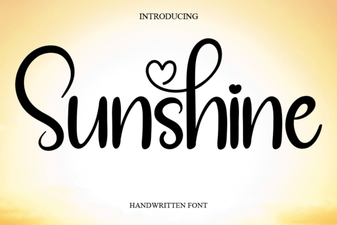 Sunshine Font: a Bright and Creative Typography Guide
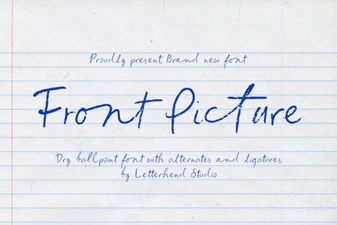 Crafting a Captivating Front Picture Font
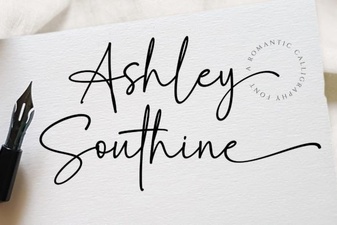 Ashley Southine Font: Design and Creative Applications
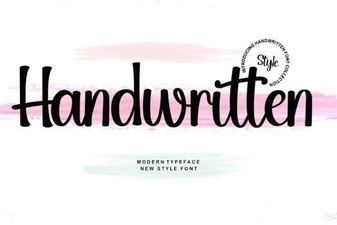 Handwritten Fonts for Authentic Digital Design
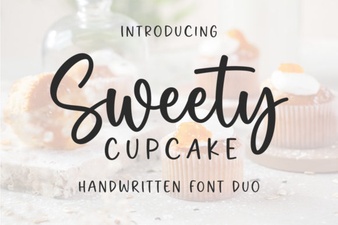 Sweet Cupcake Font for Creative Baking Projects
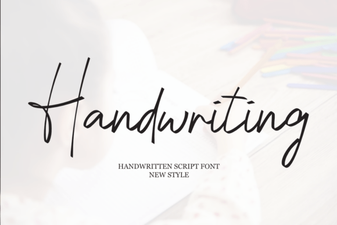 Crafting Style with Unique Handwriting Fonts