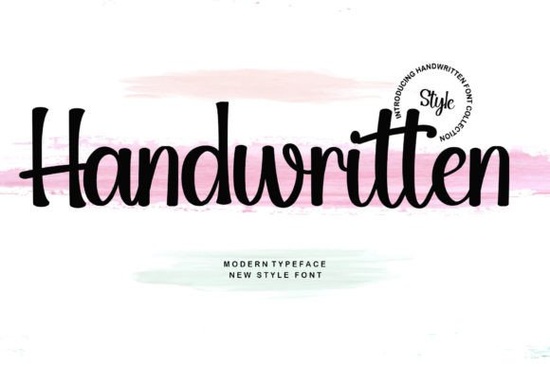
Finding the right typeface often feels like searching for a needle in a haystack, especially when you need something that feels personal yet professional. Many designers struggle to balance a modern aesthetic with the warmth of traditional penmanship. This is where Handwritten shines. It is a trendy handwritten font with a contemporary atmosphere and impeccable form, inspired by timeless classic calligraphy. If you are looking to add elegance and class to any of your design projects, this typeface offers a sophisticated solution without feeling outdated.
For print-on-demand sellers and small business owners, typography is more than just text; it is the voice of your brand. A font like this bridges the gap between digital precision and human touch. It works exceptionally well for branding materials where trust and approachability are key.
Why choose a contemporary handwritten style?
The appeal of script typography lies in its ability to convey emotion. Unlike rigid sans-serif fonts, a well-crafted script tells a story. The Handwritten font specifically captures a "contemporary atmosphere." This means it avoids the overly swirly or hard-to-read traits of older calligraphy styles. Instead, it focuses on clean lines and consistent spacing.
When browsing through the vast library of script options available for download, you will notice that many lean heavily into decoration. However, the most effective fonts for business use prioritize legibility. This specific typeface maintains the flow of natural handwriting while ensuring that every letter is distinct. This makes it versatile enough for both large headlines on a t-shirt and smaller text on a wedding invitation.
Where does this font work best?
Understanding where to apply your typography is crucial for a successful design. Because this font carries an air of elegance, it is perfect for industries that value aesthetics and detail. Here are a few practical applications:
- Wedding Stationery: The classic calligraphy inspiration makes it ideal for save-the-dates and menu cards.
- Beauty and Wellness: Spa logos and skincare packaging often benefit from this softer, high-end look.
- Apparel Design: For POD sellers, placing this text on a minimalistic tote bag or a premium hoodie creates an instant fashion statement.
- Social Media Graphics: Quotes and inspirational posts perform better when the text feels personal and authentic.
If your project requires something slightly more playful or energetic, you might consider exploring brighter script alternatives. However, for projects requiring a sense of maturity and refinement, sticking with a contemporary classic is usually the safer bet.
How do you pair it with other typefaces?
One of the biggest mistakes new designers make is pairing two script fonts together. This creates visual clutter and makes the design hard to read. To let Handwritten stand out, pair it with a clean, neutral sans-serif or a simple serif font.
For example, if you are designing a logo, use this script for the brand name and a simple geometric font for the tagline. If you find that this specific style is too formal for your needs, you might look at more playful typography options that offer a looser, more whimsical structure. Conversely, if you need something with even more flair, checking out styles like Randy Sofia could provide a different kind of artistic flow.
Another excellent pairing strategy involves contrast in weight. Since this font has a medium stroke weight, pairing it with a very bold, heavy header font can create a dynamic hierarchy. Alternatively, pairing it with a very thin, light font can make the design feel airy and expensive.
What makes a script font readable?
Legibility is the number one factor in font selection. A font might look beautiful in a preview image, but if customers cannot read it on a product thumbnail, it will not sell. The "impeccable form" mentioned in the product description refers to the structural integrity of the letters.
Good script fonts maintain consistent x-heights and clear counters (the empty spaces inside letters like 'o' or 'e'). When testing a font, always type out a full sentence, not just a single word. Look for how the letters connect. Do they flow naturally, or do they look like they are crashing into each other? If you are comparing options, you might also want to review Ashley Southine to see how different designers approach letter connectivity and spacing.
Practical Checklist for Using Script Fonts
Before you finalize your design or purchase a license, run through this quick checklist to ensure the font fits your project goals:
- Check the Glyphs: Does the font include alternate characters or ligatures? These allow you to customize the look so every instance of the font looks unique.
- Test at Small Sizes: Shrink the text down to 12pt or 14pt. If the details blur together, it might not be suitable for body text or small product labels.
- Verify the License: Ensure the license covers your intended use, especially if you are selling physical goods like t-shirts or mugs.
- Pair Wisely: Select a secondary font that complements the script without competing with it.
By focusing on legibility and appropriate pairing, you can turn a simple text element into the centerpiece of your design. Whether you are creating a logo for a new startup or designing a custom gift, choosing the right typography sets the tone for everything else.
Get Started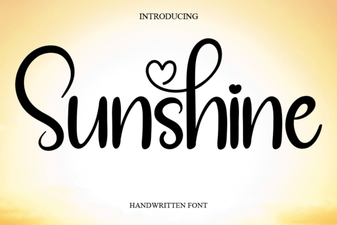 Sunshine Font: a Bright and Creative Typography Guide
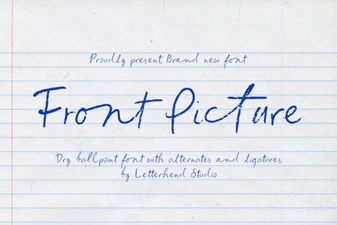 Crafting a Captivating Front Picture Font
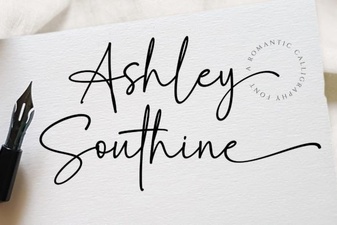 Ashley Southine Font: Design and Creative Applications
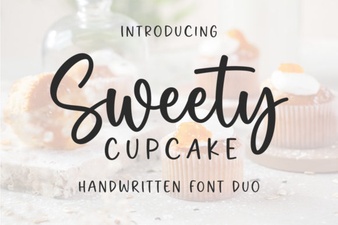 Sweet Cupcake Font for Creative Baking Projects
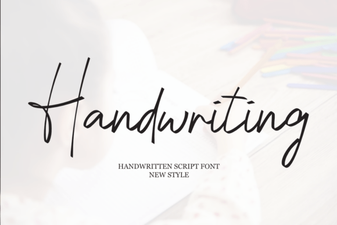 Crafting Style with Unique Handwriting Fonts
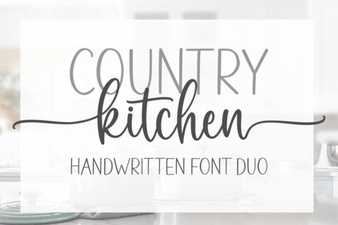 Country Kitchen Fonts for Rustic & Cottage Designs