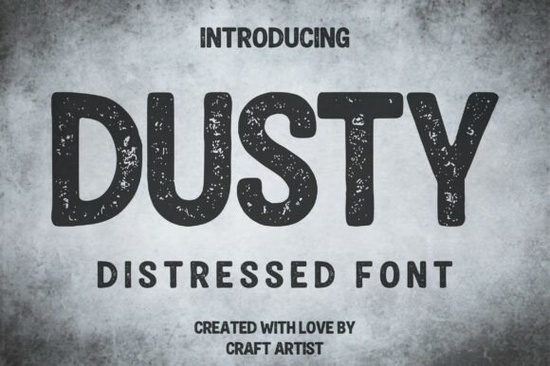
When you need a typeface that immediately communicates ruggedness, age, or industrial strength, finding the right display option can be tricky. You want something that looks weathered without sacrificing readability. This is where the Dusty Font shines. It is designed with a heavy, integrated distressed texture that evokes a sense of authentic vintage wear-and-tear. Whether you are designing a logo for a craft brewery or creating graphics for outdoor apparel, this bold, all-caps font provides the grit necessary to make your project feel handmade and established.
The structure of this typeface is slightly rounded and block-like, which ensures that even with the intentional noise and speckling, the letters remain clear. Many distressed fonts suffer from being too messy to read at smaller sizes, but the solid foundation here keeps legibility high. The rough texture mimics a genuine stamp or screen-printed aesthetic, making it an essential tool for achieving a convincing distressed effect in titles and headlines.
What kind of projects benefit from this texture?
This versatile display font is perfect for projects that need to feel weathered or industrial. If you are working on vintage t-shirt designs, the heavy weight of the letters stands out well against fabric textures. It is also an excellent choice for branding specific niches like craft beer or coffee shops where a rustic vibe is desired. The noise within the letterforms adds depth, preventing the design from looking too flat or digital.
For creators in the music industry, this typeface works well for grunge music album art where a raw, unpolished look is part of the genre's identity. Similarly, rustic signage for businesses wants to convey history and durability. If you are selling custom graphics for outdoor and adventure apparel, this font aligns perfectly with themes of exploration and resilience. You can explore more about this style in our overview of distressed display types to see how it fits into broader design trends.
How do you pair this with other typefaces?
Because this font is bold and all-caps, it works best when paired with simpler, cleaner fonts for body text. You do not want to compete with the heavy texture of the headlines. However, if you are looking for contrast within your display elements, considering a softer style can create balance. For instance, if you need a secondary font that feels more approachable, you might look at a friendly display option to soften the overall composition.
When mixing styles, think about the mood you want to set. If the project requires a bit of fun alongside the grit, combining this with something brighter can work. A vibrant and fun typeface could provide the pop of energy needed to offset the ruggedness. The key is to ensure the secondary font does not have too much texture, or the design will become visually noisy and hard to process.
Is there a handwritten alternative for a softer look?
Sometimes a stamp aesthetic is too harsh for the specific message you are conveying. If you need something that feels handmade but less industrial, a script or doodle style might be more appropriate. For projects requiring a casual, personal touch, an informal handwritten style can complement the boldness of a display header. This combination allows you to keep the attention-grabbing headline while using the script for details or signatures.
Additionally, if you are working on invitations or branding that needs a moment of elegance or request-like phrasing, you might consider a specialized request font for specific lines of text. This layering of textures rough for the main impact and smooth or script for the details creates a professional hierarchy in your design work.
How do you maintain readability with distressed effects?
The biggest challenge with textured fonts is ensuring they remain readable across different mediums. When using this typeface, always test your designs at the actual size they will be printed or displayed. The speckling that looks great on a large poster might disappear on a small business card or become mud on a low-resolution screen.
To maintain clarity, use high-contrast color combinations. Dark letters on a light background or vice versa help the distressed edges stand out without blending into the background. Avoid placing this font over busy images unless you add a solid backing shape behind the text. Remember that the block-like structure is there to help you, so give the letters enough spacing (kerning) to breathe.
What should you check before finalizing your design?
Before you send your project to print or publish it online, run through a quick quality check. This ensures the distressed effect enhances the design rather than distracting from it. Pay attention to how the texture interacts with your color palette and whether the message is clear at a glance.
- Test Legibility: View the design from a distance to ensure the words are easy to read.
- Check Contrast: Make sure there is enough difference between the text color and the background.
- Verify Spacing: Ensure the all-caps letters have enough room between them.
- Review Scale: Confirm the texture holds up at both large and small sizes.
- Compare Styles: Make sure the font matches the overall mood of your brand or project.
Using the right typeface is about matching the tool to the task. If you need grit, age, and authenticity, this rugged display typeface provides the foundation you need. By pairing it wisely and checking your readability, you can create designs that feel both professional and uniquely characterful.
Learn More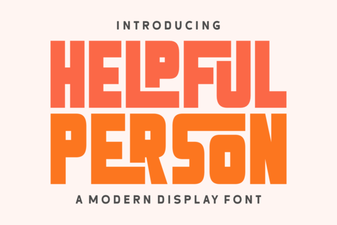 A Helpful Font for Inclusive Web Design Projects
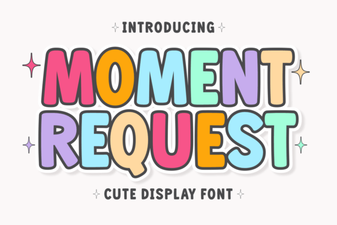 Moment Request Font: Designs and Typography Projects
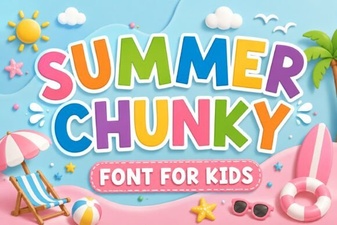 Chunky Summer Fonts for Bold Creative Projects
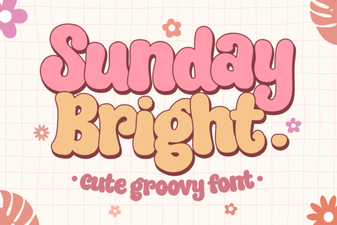 Sunday Bright Font: Creative Designs & Fresh Ideas
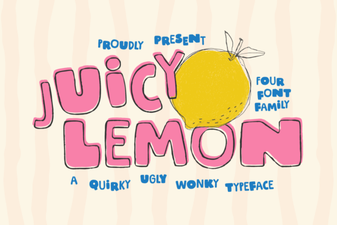 Juicy Lemon Font: a Fresh Design Style Guide
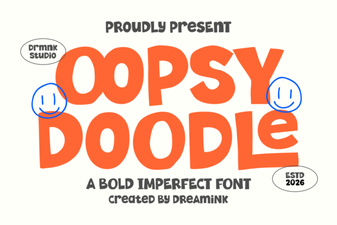 Oopsy Doodle: a Creative Font for Fun Projects