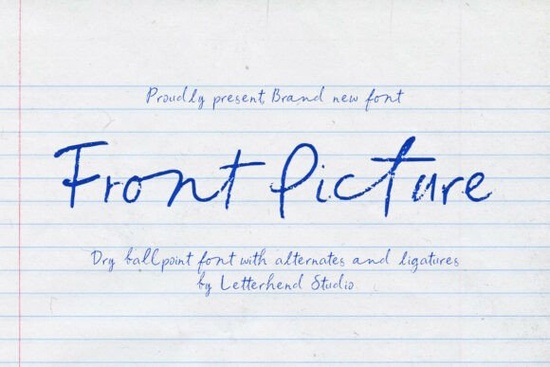
Finding a typeface that feels genuinely human can be difficult when most digital options look too clean or perfect. If you are looking for that specific dry ballpoint texture, the Front Picture Font offers an authentic solution. It mimics the look of quick notes scribbled in the margins of a notebook, complete with uneven pressure and rough strokes. This style works well for designers who want to add a personal touch without spending hours hand-lettering every project. The natural flow helps bridge the gap between digital design and physical handwriting.
What makes the texture feel authentic?
The main appeal of this typeface lies in its imperfections. Unlike standard scripts that smooth out every curve, this font retains the grit of a pen running low on ink. You will notice slightly rough strokes and varying thickness that change depending on the letter. This uneven pressure gives every word the feeling of a real thought captured on paper. For crafters making digital planners or journals, this texture adds depth that flat vectors often lack. It avoids the sterile look of computer-generated text, making your designs feel warmer and more approachable.
When you zoom in on the characters, the edges are not perfectly sharp. This subtle noise helps the text blend into backgrounds that have paper textures or watercolor washes. It is an excellent choice if you are trying to replicate the aesthetic of a physical diary entry. Many users prefer this over cleaner scripts because it does not demand attention but rather sits comfortably within the design. If you enjoy exploring more artisanal lettering styles, you will find that this specific texture holds up well even at smaller sizes.
Where does this typeface work best?
This font shines in projects that require a casual or personal vibe. It is particularly effective for print-on-demand sellers creating apparel for moms, teachers, or students. The relaxed nature of the letters fits well on t-shirts, mugs, and tote bags where a formal typeface would feel out of place. Because it reads like a quick note, it works beautifully for quotes or short phrases rather than long paragraphs. You might also consider it for classroom resources where a friendly, non-intimidating style is preferred by young learners.
Small business owners can use this for packaging labels or thank-you cards included in shipments. It reinforces the idea that a real person packed the order. For those working on nursery decor, the softness of the strokes matches gentle nursery themes without being overly cursive or hard to read. It strikes a balance between legibility and style. If you are building a brand around authenticity, using a font that looks handwritten helps customers connect with your story. You can see more examples of this vibe by browsing upbeat design elements that share a similar cheerful energy.
How should you pair it with other letters?
Because this script has a lot of texture and personality, it pairs best with simple sans-serif fonts. Using a clean, geometric font for body text or secondary headings creates a nice contrast. This allows the handwritten style to stand out as the focal point without competing for attention. Avoid pairing it with other complex scripts, as this can make the design look cluttered and hard to read. The goal is to let the rough strokes of the main font do the heavy lifting while the supporting text remains neutral.
Color choice also matters when working with this style. Dark blues, charcoal grays, or deep blacks work best to simulate the look of a real ballpoint pen. Lighter colors might reduce the visibility of the texture details that make the font unique. When designing for web use, ensure there is enough contrast against the background so the rough edges do not disappear. For specific file formats and installation help, you can visit the script file page to check technical specifications.
Can you use this for selling products?
Licensing is a common concern for anyone selling physical or digital goods. Most fonts on Creative Fabrica come with a license that allows for commercial use, including print-on-demand items. However, you should always read the specific license file included with your download. Generally, you can use the typeface to create designs for shirts, mugs, and printed stationery. You typically cannot redistribute the font file itself as a product. This distinction is important for Etsy sellers and small business owners who want to stay compliant.
Using a licensed font properly protects your shop from copyright issues. It allows you to build a catalog of products with confidence. If you plan to use the text in a logo, check if the license permits trademarking. Many creators use these scripts to build recognizable brand identities for boutiques or blogs. The key is to transform the font into a unique design rather than just typing words and selling them as is. This adds value to your product and ensures you are within the terms of use.
Quick Design Checklist
- Check Contrast: Ensure the text stands out against your background color.
- Limit Length: Keep phrases short to maintain the handwritten illusion.
- Pair Simply: Use a clean sans-serif for supporting text.
- Verify License: Confirm commercial rights before selling products.
- Test Sizes: Preview the font at different scales to check readability.
Before finalizing your project, download a test version if available to see how the letters kern on your specific software. Sometimes spacing needs adjustment depending on the program you use. Taking these small steps ensures your final output looks professional while keeping that casual, human feel.
Get Started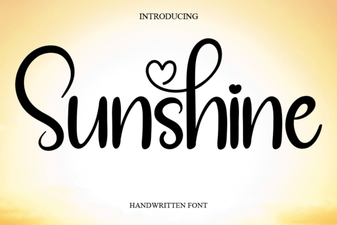 Sunshine Font: a Bright and Creative Typography Guide
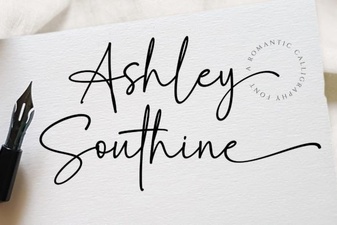 Ashley Southine Font: Design and Creative Applications
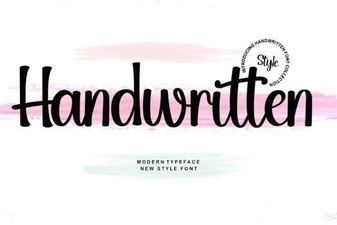 Handwritten Fonts for Authentic Digital Design
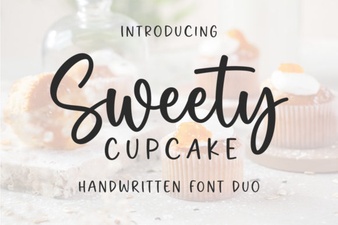 Sweet Cupcake Font for Creative Baking Projects
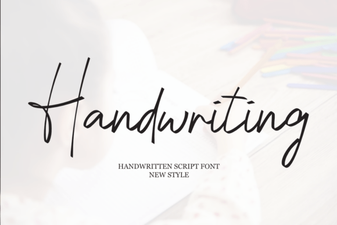 Crafting Style with Unique Handwriting Fonts
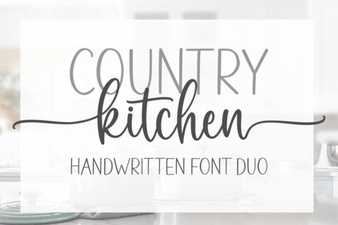 Country Kitchen Fonts for Rustic & Cottage Designs