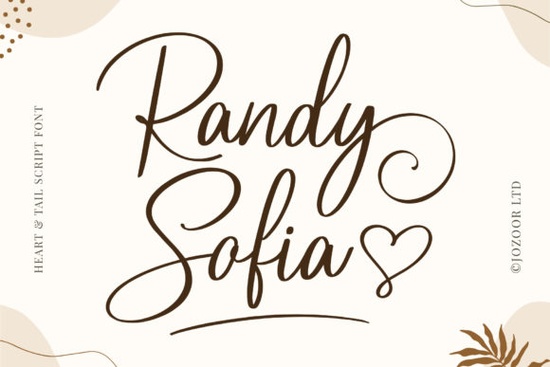
When you are looking for a typeface that feels personal and elegant, script options are often the go-to choice for creatives. The Randy Sofia Font fits this need well by bringing a romantic feel to your work. It is designed with characters that dance along the baseline, which helps avoid the stiff look common in digital letters. This quality makes it a strong candidate for projects that require a human touch, such as wedding invitations, boutique logos, or custom packaging.
Many designers struggle to find a calligraphy style that balances readability with flair. This typeface aims to solve that by offering a luxury spark without sacrificing clarity. Whether you are a small business owner creating brand assets or a hobbyist making greeting cards, having a reliable script in your toolkit is essential. Below, we break down how to use this font effectively and where it fits best in your design workflow.
What makes this script different from others?
The primary feature that sets this typeface apart is the movement in the letterforms. Unlike standard scripts that sit on a straight line, the characters here flow naturally. This creates a sense of rhythm in your text. When you type out a word, the letters connect in a way that mimics hand-lettering. This is particularly useful for print-on-demand sellers who need their designs to look authentic rather than mass-produced.
Another technical advantage is the encoding. This font is PUA encoded. For those who might not be familiar with typography terms, PUA stands for Private Use Area. In simple terms, this means you can access all the amazing glyphs and ligatures with ease using standard keyboard shortcuts. You do not need special software to find alternate characters. This saves time during the design process and allows you to focus on creativity rather than troubleshooting technical issues.
Where can I use this typeface effectively?
Choosing the right context for a script font is crucial for readability. Because this style is romantic and sweet, it works best in industries that value emotion and connection. Here are a few specific applications where this font shines:
- Wedding Stationery: Use it for save-the-dates, menus, and venue signage.
- Beauty and Wellness: Ideal for logos on skincare products or yoga studio branding.
- Social Media Graphics: Great for quotes or promotional posts that need a soft touch.
- Custom Apparel: Works well on t-shirts and tote bags for niche markets.
If you are creating items for a luxury market, the fine lines and curves add a premium feel. However, avoid using it for body text or small sizes where the details might get lost. It is best reserved for headlines and short phrases.
Are there similar styles for different projects?
While this romantic script is versatile, you might need different vibes for other clients or products. Having a variety of script options allows you to match the font to the message. For example, if you are working on homestyle branding projects that require a warmer, rustic feel, you might explore options like the Country Kitchen font. It offers a different texture that suits food labels or cafe menus better than a high-end calligraphy style.
For those focusing on nursery wall art or bohemian themes, a softer, more whimsical script is often necessary. The Baby Boho style provides that gentle aesthetic needed for children's spaces. On the other hand, if your client wants something with more energy, you might look at retro logo designs that use swing fonts to convey motion and vintage appeal.
It is also worth noting that not every project needs a mature look. If you are designing for playful youth apparel, a simpler, rounder script is usually more appropriate than a complex calligraphy typeface. You can view more details about this specific script style to see if it matches your current project requirements. Mixing and matching these styles helps you build a diverse portfolio.
How do I access the special characters?
One common question among crafters is how to use the extra glyphs included in modern fonts. Since this file is PUA encoded, the process is straightforward. Most design software like Cricut Design Space, Silhouette Studio, or Adobe Illustrator will recognize the alternate characters automatically.
To use them, you typically type the base letter and then select the alternate from the glyph panel. Some ligatures appear automatically when you type specific letter pairs. This feature allows you to customize the flow of the text. For instance, you can choose a version of the letter "s" that connects differently to the following letter. This level of control is what separates professional designs from amateur ones.
Quick Checklist for Using Script Fonts
Before you finalize your design, run through this short list to ensure quality:
- Check Contrast: Make sure the font color stands out against the background.
- Test Readability: Ask a friend to read the text without context.
- Verify Licensing: Ensure your license covers commercial use if you are selling products.
- Use Ligatures: Turn on alternate characters to improve the flow.
- Pair Wisely: Combine with a simple sans-serif font for body text.
Starting with a solid typeface foundation makes the rest of the design process smoother. By understanding the technical features and appropriate use cases, you can create work that looks polished and professional. Take the time to experiment with the ligatures and glyphs to get the most out of your purchase.
Try It Free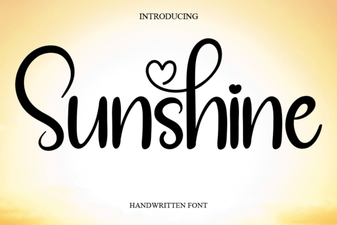 Sunshine Font: a Bright and Creative Typography Guide
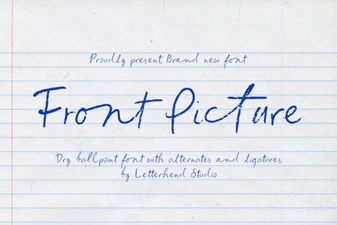 Crafting a Captivating Front Picture Font
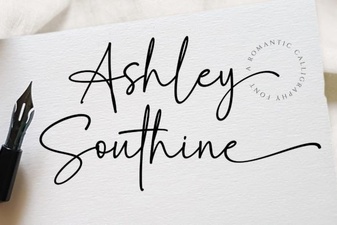 Ashley Southine Font: Design and Creative Applications
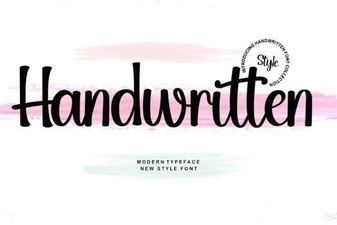 Handwritten Fonts for Authentic Digital Design
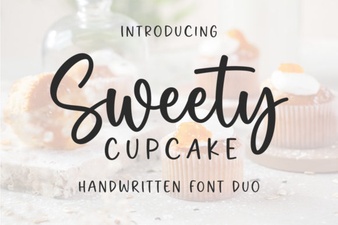 Sweet Cupcake Font for Creative Baking Projects
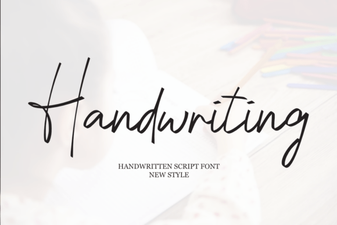 Crafting Style with Unique Handwriting Fonts