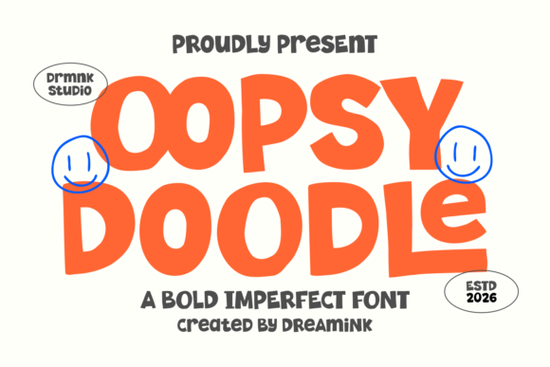
When you need a typeface that feels human and unpolished, finding the right option can be tricky. Many digital fonts look too perfect, lacking the warmth of handcrafted letters. This is where the Oopsy Doodle Font shines. It captures a spontaneous creative energy that works well for brands wanting to appear approachable and fun. Instead of rigid lines, you get chunky letterforms with uneven baselines that mimic a cut-out paper aesthetic. This makes it a strong candidate for designers looking to break away from standard corporate styles.
The charm of this typeface lies in its imperfections. Each stroke varies slightly, radiating a sense of artisanal freedom. It is not just about being messy; it is about being intentionally irregular to create visual interest. When you use it, every word feels like a vibrant, curated doodle. This quality helps grab attention quickly, especially in crowded visual spaces like social media feeds or retail shelves.
What kind of projects suit this style?
This typeface is particularly effective for youth-oriented branding. If you are designing for a younger audience, stiff serif fonts often feel too serious. A bold display font communicates energy and playfulness. It works exceptionally well for quirky product packaging where standing out is the main goal. For example, if you are selling handmade soaps or artisanal snacks, this style suggests that the product inside is equally unique and crafted with care.
You might also consider similar vintage-inspired display options if you want to lean into a retro feel while maintaining that handmade quality. Sometimes, combining a rough texture with a specific color palette can enhance the nostalgic effect. For brighter, more energetic products, looking into fresh and citrusy typography could complement the boldness of this main choice. These pairings help establish a cohesive visual identity that feels intentional rather than random.
High-energy social media headers also benefit from this look. When scrolling through a feed, users pause on graphics that feel different from the norm. The irregular strokes here create enough contrast to stop the thumb. Modern streetwear graphics are another excellent use case. T-shirts and hoodies often rely on large, impactful text that looks good even when printed on fabric. The chunky nature of these letters ensures they remain readable even at a distance.
How do you pair this with other typography?
Because this font is so bold and irregular, it needs a partner that is quiet and stable. Using it for body text is not recommended, as the uneven baselines can make long paragraphs hard to read. Instead, reserve it for headlines and logos. Pair it with a simple sans-serif font for the details. This balance ensures your design feels fun but still professional.
If you want to maintain a cheerful tone throughout the project, you might explore cheerful weekend vibes in your secondary elements. Consistency is key when mixing styles. For seasonal promotions, consider how bold seasonal headers might align with your main branding. You want the secondary fonts to support the main star, not compete with it. Keeping the weight and x-height in mind will help you avoid visual clutter.
For products targeting a specific nostalgic demographic, nostalgic packaging styles can offer great inspiration on how to mix eras. The goal is to create a hierarchy where the most important information pops. Use the bold display font for the product name and a cleaner typeface for ingredients or descriptions. This guides the viewer's eye exactly where you want it to go.
Are there legibility concerns?
Yes, display fonts always come with readability trade-offs. The irregular strokes that make this typeface charming can also confuse the eye if the text is too small. Always test your designs at actual size before finalizing. If you are printing on a small label, you might need to increase the tracking or choose a simpler alternative for that specific element. Legibility should never be sacrificed for style, especially when safety information or instructions are involved.
What should you check before downloading?
Before adding any new typeface to your library, review the license terms. Some fonts are free for personal use but require a commercial license for selling products. Ensure you have the right permissions for your specific project, whether it is a client logo or a print-on-demand item. Also, check the file formats included. Having OTF, TTF, and webfont versions gives you flexibility across different platforms and software.
Choosing the right font is about matching the personality of the brand. If the brand is loud, fun, and unapologetic, this imperfect style fits perfectly. If the brand is serious and minimalist, this might be too distracting. Always align your typography choices with the core message you want to send.
Quick Design Checklist
- Test readability: View your design at 100% scale to ensure letters are clear.
- Check licensing: Verify commercial rights before selling products with this font.
- Pair wisely: Combine with a simple sans-serif for body text to maintain balance.
- Consider context: Ensure the playful style matches the brand's overall voice.
- Export correctly: Save files in the appropriate format for print or web use.
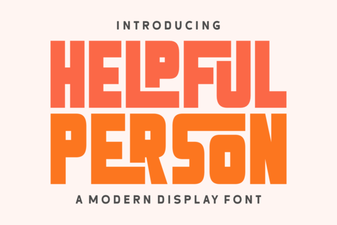 A Helpful Font for Inclusive Web Design Projects
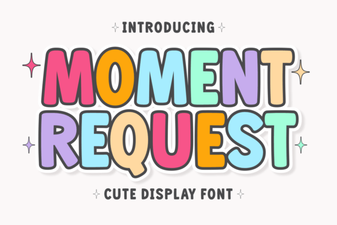 Moment Request Font: Designs and Typography Projects
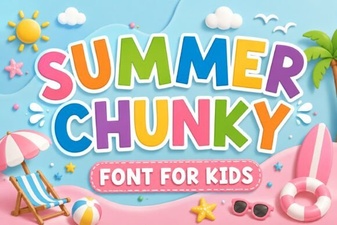 Chunky Summer Fonts for Bold Creative Projects
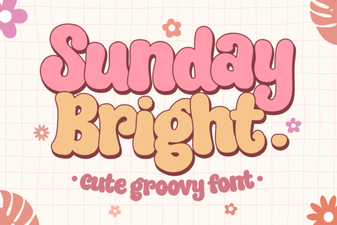 Sunday Bright Font: Creative Designs & Fresh Ideas
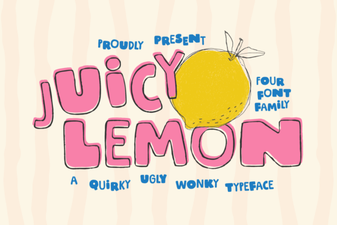 Juicy Lemon Font: a Fresh Design Style Guide
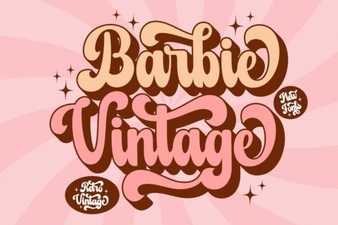 Barbie Vintage Font Projects & Style Inspiration