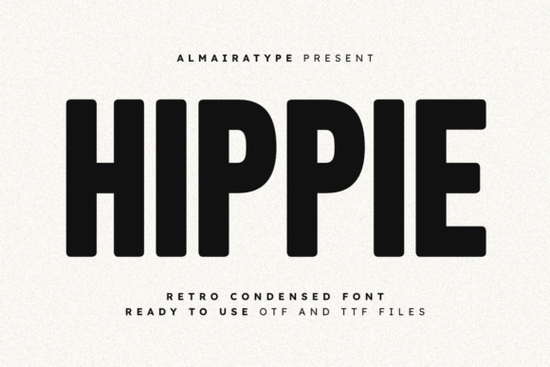
When selecting typography for a project that needs to stand out without sacrificing readability, finding the right balance between style and function is key. The Hippie Font offers a bold, condensed structure that works well for headlines and logos. It captures a vintage aesthetic while maintaining a clean, modern look that fits current design trends. This typeface is particularly useful for creators who need letters that command attention but still feel approachable and warm.
Designers often struggle to find fonts that work across different mediums, from digital screens to physical merchandise. A typeface with sturdy lines and slightly rounded edges can solve this problem by ensuring clarity at various sizes. Whether you are designing a logo for a new coffee shop or creating a slogan for a t-shirt, the structural integrity of the letters matters. Tall characters save horizontal space, allowing you to fit more text into a design without it looking cramped.
Why choose a retro condensed style for modern projects?
Retro aesthetics have remained popular for years because they evoke a sense of nostalgia and trust. However, using a font that looks too old can make a brand feel outdated. This specific style blends those vintage cues with minimalist principles. The result is a typeface that feels familiar but fresh. For small business owners, this means your branding can feel established and professional without looking like it belongs in the past.
Condensed fonts are especially practical for apparel design. When printing on clothing, space is often limited. A tall, narrow font allows you to create impactful statements across the chest of a shirt or on the back of a jacket without the text wrapping awkwardly. The clean lines ensure that even when printed on textured fabrics, the letters remain legible. This versatility makes it a reliable choice for print-on-demand entrepreneurs who need their designs to look good on various products.
Is this typeface easy to use with cutting machines?
For crafters using vinyl cutters, the technical details of a font file are just as important as the visual style. Complex scripts or overly thin lines can be difficult to weed and apply. A bold sans serif style simplifies this process. The sturdy structure means there are fewer delicate parts that might tear during the weeding process. This leads to a smoother workflow when using machines like Cricut or Silhouette.
Smooth edges also contribute to a professional finish. When vinyl is applied to mugs, tumblers, or signs, jagged or intricate details can lift over time. A font with a solid base adheres better and lasts longer. If you are planning to sell physical goods, reliability in production is essential. You want a design that looks as good on the hundredth item as it did on the first.
How does it compare to other sans serif options?
Exploring different typefaces helps you understand where this specific style fits within your toolkit. While some fonts focus on geometric precision, others prioritize humanist touches. If you are looking for variety in your projects, it helps to browse through different collections. For instance, you might explore alternative sans serif styles that offer a softer touch for body text.
Having a range of options allows you to pair fonts effectively. A bold condensed typeface works well for headlines, but you might need something lighter for descriptions. You can find complementary options by checking out resources like the Godthem collection for different weights and structures. Building a library of compatible fonts saves time during the design process.
For those specifically interested in this retro vibe, you can also view more details in the category section dedicated to this style. This helps you see similar assets that might work for future projects. Keeping your resources organized ensures you can quickly find the right tool for each client or personal project.
What kinds of businesses benefit most from this look?
Brands that value personality and character often gravitate towards this type of typography. Coffee shops, boutiques, and creative studios frequently use bold condensed fonts to convey confidence. It is also suitable for social media graphics where text needs to be read quickly on a small screen. Editorial layouts benefit from the strong vertical lines, which help guide the reader's eye down the page.
Ultimately, the goal is to communicate your message clearly. A font that is too decorative might distract from the content, while one that is too plain might lack interest. This style sits in the middle, offering character without compromising function. It supports your brand identity by adding a touch of timeless style that does not rely on fleeting trends.
Project Checklist for Using Bold Typography
- Check Legibility: Ensure the text is readable at small sizes before finalizing.
- Test on Materials: If printing on fabric, do a test print to check ink coverage.
- Pair Wisely: Combine with a simpler font for body text to maintain balance.
- Verify Licensing: Confirm the license allows for commercial use if selling products.
- Prepare Files: Convert text to outlines before sending to print or cutting machines.
Before starting your next design, review these steps to ensure a smooth process. Taking time to prepare your files and understand your tools will result in a higher quality final product. Good typography is an investment in your brand's perception, so choosing the right asset is worth the effort.
Download Now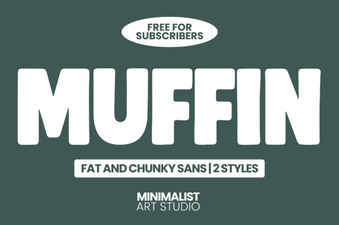 Muffin Font: a Tasteful Design Element
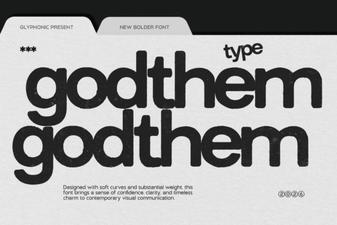 Godthem Font: Creative Design Ideas and Tips
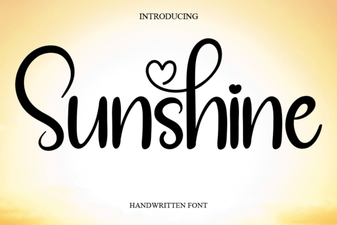 Sunshine Font: a Bright and Creative Typography Guide
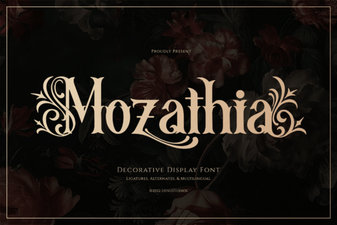 Unlock Creativity with Mozathia Font Design
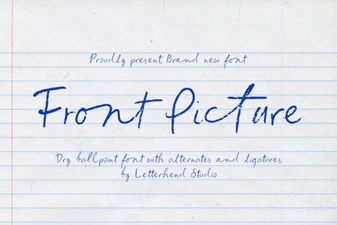 Crafting a Captivating Front Picture Font
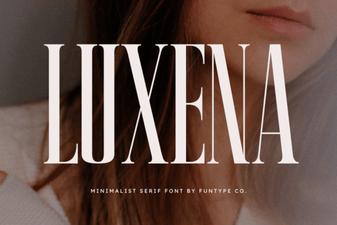 Luxena Font: Elegant Typography for Modern Projects